Our Roofing Services
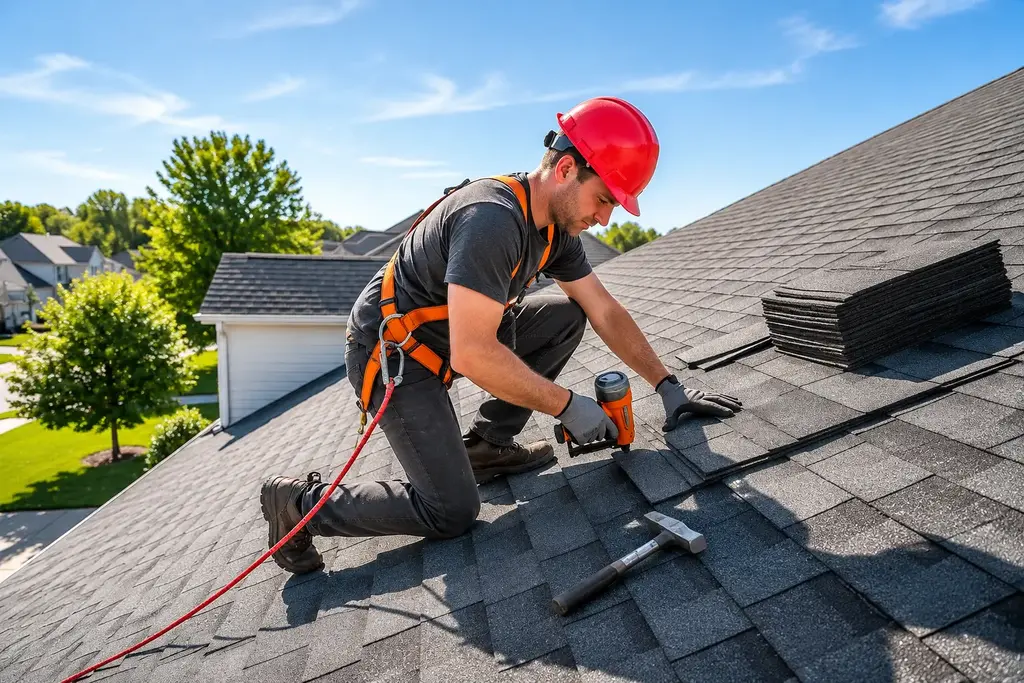

Explore practical roofing solutions for residential and commercial properties in Billings, Montana. From roof installation and replacement to shingle repairs, metal roofing, and storm damage restoration, different roofing projects require careful planning, appropriate materials, and consideration of building conditions.
Roofing Contractor Billings helps property owners explore roofing options based on their roof structure, material preferences, property requirements, and maintenance goals. Whether you are planning a new roof installation, addressing existing roof damage, or considering an upgrade, contact us to discuss your project requirements.
Residential roof installation provides homeowners with roofing solutions designed to protect their properties and complement their home's exterior. Explore different roofing materials, including asphalt shingles and metal panels, with consideration for roof design, structural conditions, ventilation, drainage, and local weather exposure.
Roof repair helps address problems such as damaged shingles, roof leaks, loose flashing, deteriorating materials, and other visible roofing concerns. The appropriate repair approach depends on the location and extent of the damage, the condition of existing materials, and the underlying cause of the roofing problem.
Roof replacement provides an opportunity to replace aging, damaged, or deteriorating roofing materials with a new system suited to the building's requirements. Roof structure, material selection, ventilation, drainage, and installation methods should all be considered when planning a complete roofing replacement project.
Asphalt shingle roofing offers homeowners a popular roofing option with different colors, styles, and material configurations. Shingle selection may depend on roof design, budget, weather exposure, manufacturer specifications, and desired exterior appearance, while proper installation and ventilation are important considerations.
Metal roofing provides an alternative to traditional roofing materials for residential and commercial buildings. Available in different panel styles, finishes, and configurations, metal roofing can be selected according to building design, roof structure, weather exposure, fastening systems, and property requirements.
Strong winds, hail, and other severe weather conditions can affect roofing materials and surrounding structures. Storm damage roof repair focuses on identifying damaged shingles, loose roofing components, flashing problems, leaks, and other visible concerns to determine whether localized repairs or more extensive restoration work may be appropriate.
Commercial roofing involves different material and installation considerations depending on building size, roof design, drainage requirements, and intended use. Offices, warehouses, retail buildings, and other commercial properties may require specialized roofing systems suited to their structures and operational requirements.
Roof inspections help property owners evaluate the visible condition of roofing materials and identify potential maintenance concerns. Inspections may consider missing shingles, damaged flashing, moisture intrusion, roof deterioration, drainage conditions, and other issues that could require repair or further assessment.
Regular roof maintenance helps property owners monitor roofing conditions and identify potential problems before they develop into more extensive concerns. Maintenance considerations may include checking roofing materials, inspecting flashing, clearing debris, evaluating drainage, and addressing minor damage based on the roof's condition.
Roof leaks can result from damaged shingles, deteriorating flashing, roof penetrations, drainage problems, or other areas where water enters the building. Identifying the source of moisture intrusion is an important step in determining suitable repair options and helping prevent additional interior and structural damage.
Proper roof drainage helps direct rainwater away from roofing surfaces, exterior walls, and building foundations. Gutter condition, downspout placement, drainage capacity, debris accumulation, and roof design should all be considered when evaluating drainage solutions for residential and commercial properties.
Whether you are considering a new roof for your home, planning a commercial roofing project, or addressing damage to an existing roof, selecting suitable roofing materials and installation methods is an important part of the process. Building structure, roof condition, weather exposure, material preferences, and project requirements all influence the appropriate roofing solution.